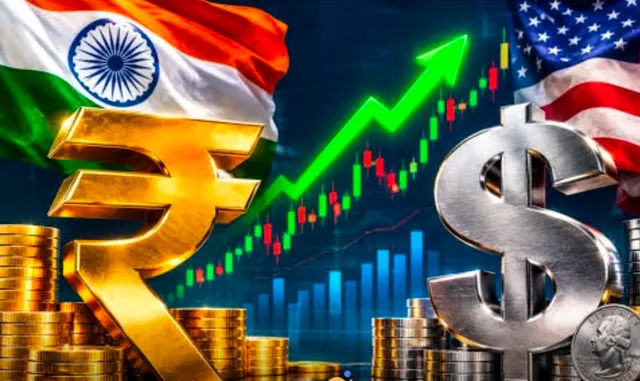
The Indian rupee surged to a seven-month peak on Wednesday, November 18, according to Reuters. Strong overseas cash inflows and dropping global oil prices helped drive the bounce.
Trading saw the currency climb to 93.40 per US dollar on Tuesday before finishing at 93.47, its highest close in seven months.
Why the big bounce?
Foreign investors have made a strong comeback to Indian shares, bringing inflows close to a record US$10 billion this month alone. Lower crude prices also eased dollar demand for energy imports, giving the currency another boost.
Traders also reversed earlier bets against the rupee as confidence in Indian financial markets returned.
How regional neighbours performed
Other South Asian currencies saw quieter moves. In Sri Lanka, the rupee stayed fairly steady on Wednesday. The Central Bank of Sri Lanka reported a buying rate of Rs. 328.33 and a selling rate of Rs. 337.23.
The Pakistani rupee traded around 276–277 against the US dollar, while the Bangladeshi taka traded near 125. The Nepalese rupee gained as well, thanks to its fixed peg to the Indian currency.