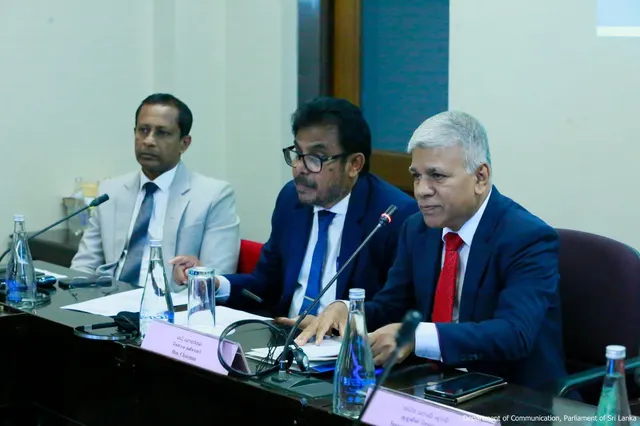
On November 18, Parliament took a close look at how vehicles are taxed in Sri Lanka. The Committee on Ways and Means, chaired by MP Wijesiri Basnayake, held a meeting with Sri Lanka Customs officials to review tax systems and issues faced by importers following the easing of import bans.
Members zoomed in on the complicated tax formulas that weigh engine capacity, CIF value, excise duty, and several other levies. They also discussed snags related to Customs valuations and agreed that these policies need simplifying.
Push for affordable electric vehicles
A major topic on the table was making electric vehicles cheaper for ordinary citizens through tax concessions and policy incentives. The committee pointed out that simpler taxes could help speed up EV adoption across the island.
At the same time, discussions touched on promoting solar energy and battery storage systems. The goal is to ensure that EV charging does not overload the national electricity grid.
Battery waste and clearance headaches
It is not all smooth sailing for green transport, however. Officials flagged that Sri Lanka currently has no safe system to recycle or dispose of dead EV batteries. One idea discussed was to make vehicle importers or manufacturers take charge of battery disposal.
Delays at the port were also brought up. Because there is no joined-up digital network connecting Sri Lanka Customs, the Department of Import and Export Control, and other bodies, containers are left sitting at ports while importers pile up storage fees.
Deputy Ministers Eranga Weeraratne and Nishantha Jayaweera, along with MPs Ashoka Sapumal Ranwala, Dr. Nandana Millagala, and Champika Hettiarachchi, were present. However, no immediate vehicle tax changes were rolled out.