A new bill has been introduced with the aim of easing the difficulties faced by residents living along the border between New South Wales and Queensland. The proposal was presented to the state Legislative Assembly on November 12 by Geoff Provest, Member of Parliament representing the Tweed electorate.
The bill seeks to amend the Standard Time Act 1987, reducing the daylight saving period from the current window of the first Sunday in October to the first Sunday in April, to between the first Sunday in November and the first Sunday in March. The MP holds the view that the current six-month duration is far too long.
Key Points
- The bill was introduced by NSW Nationals MP Geoff Provest.
- It proposes shortening the current October-to-April period to November to March.
- This was presented as a solution to the issues faced by communities along the NSW-Queensland border.
Daily Troubles for Border Residents
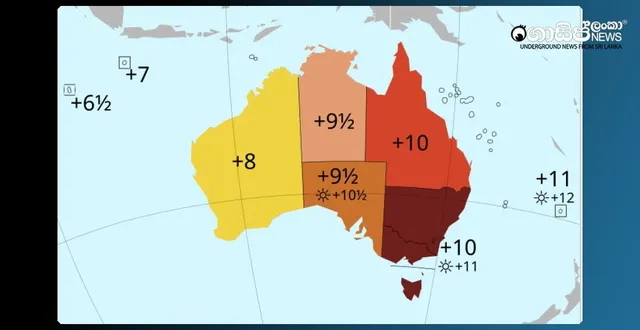
As New South Wales is one hour ahead of Queensland, people travelling for work, school children, and families seeking medical treatment face severe disruptions. A notable example is the Twin Towns Club, which operates on Queensland time despite being situated on the NSW side of the border.
A letter from Cheryl Haynes of Cudgen, read out in parliament, highlighted these struggles. Independent MP Helen Dalton also pointed out that delayed sunrise times force children in western New South Wales to travel to school in the dark. Previously, Nationals MPs Brendan Moylan and Richie Williamson also expressed support for similar proposals.
Position in Queensland and Other States
It is reported that if Victoria and the Australian Capital Territory do not adopt this change, a one-hour time difference could arise between Sydney and Melbourne. However, the NSW government has previously stated that it has no plans to amend the time arrangements.
On the other hand, Queensland remains on standard time throughout the year. In a referendum held on February 22, 1992, 54.5 percent (892,119 people) voted against daylight saving, while only 45.5 percent (744,686 people) supported it. Attorney-General Deb Frecklington and Premier David Crisafulli have voiced opposition to any daylight saving reforms.
What Next?
Introduced as a private member's bill, the debate on the second reading has been adjourned. If not taken forward, the bill will lapse in March 2027.
Read Also
- A strong magnitude 6.8 earthquake shakes Peru
- No agreement without guarantees that attacks will stop: Iranian Foreign Minister
- Here is why a Sarvajana Balaya group including Dilith travelled to Japan