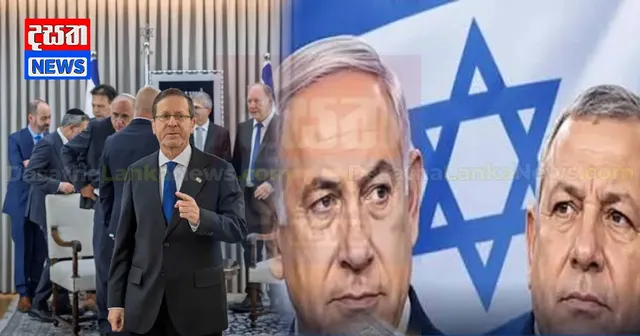
Following an election where neither side secured a clear victory, neither Prime Minister Benjamin Netanyahu nor his main rival, former military chief Gadi Eisenkot, was able to directly demonstrate a majority. Consequently, the heavy responsibility of choosing who should be given the first opportunity to form a government has fallen on President Isaac Herzog.
Key points
- Eisenkot has secured the backing of 67 out of 120 MPs in parliament
- Netanyahu has received the support of only 46 MPs
- The responsibility rests on the President to decide who will be invited first to form a government
How MP Support Was Divided
Discussions between President Herzog and party leaders concluded on Thursday, with 67 out of the 120 MPs in parliament pledging allegiance to Eisenkot. Parties representing Palestinian citizens, who won a record 19 seats in the October election aiming to oust Netanyahu, have also backed Eisenkot, though he has stated that he will not include them in his government.
Netanyahu received the support of only 46 MPs. His bloc lost seven of its 53 seats after the United Torah Judaism party refused to back him over his failure to grant ultra-Orthodox Jews an exemption from mandatory military service.
The President's Position
The President, who has not yet indicated favour towards any side, pointed out that while the situation appears clear in numerical terms, mutual rivalries between and within various political groups make it difficult to determine who actually holds the capacity to build a coalition. It is also noted that if no one is able to form a government, the incumbent Prime Minister could continue to remain in office.
What Next?
President Herzog has stated that he expects to entrust the responsibility of forming a government to a candidate on Sunday.