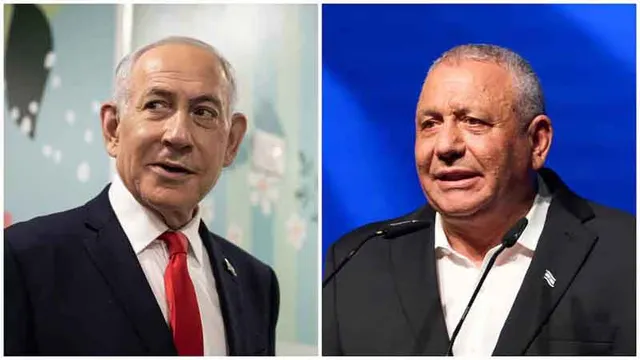
In the Israeli parliamentary election held on October 27, neither Prime Minister Benjamin Netanyahu's bloc nor Eisenkot's opposition alliance was able to secure a majority. President Isaac Herzog took this step following special discussions held with political parties.
Key Points
- Neither side won a majority in the election held on October 27.
- Eisenkot has 28 days to form a government, with the possibility of an additional 14-day extension.
- In the 120-seat parliament, Netanyahu's alliance secured 53 seats, while Eisenkot's coalition won 48 seats.
- Arab parties, having won 19 seats, have emerged as kingmakers this time.
Eisenkot's statement and the timeframe given
Eisenkot has been given 28 days to put together a new government, with the option to request an extension of a further 14 days if needed.
A former military chief of Israel, Eisenkot posted on his X account stating that the time has come to establish a national unity government as a solution to the ongoing political crisis, and that he is prepared to make any sacrifice towards achieving that goal.
How parliamentary seats were distributed
The Israeli parliament, known as the Knesset, comprises 120 seats. In this election, the coalition led by Prime Minister Netanyahu's Likud party secured only 53 seats.
The opposition bloc led by Eisenkot's centrist Yashar party won 48 seats. Meanwhile, Arab parties have collectively won 19 seats, reportedly placing them in the decisive position of kingmakers in forming a new government.