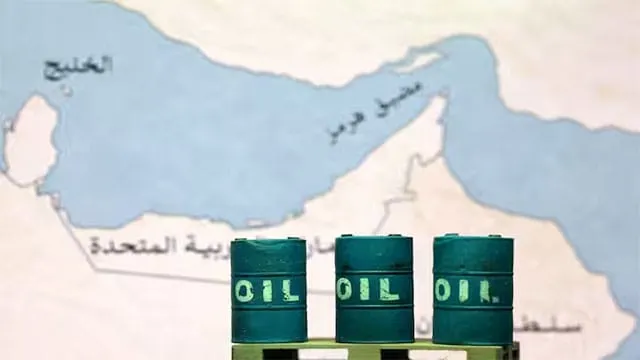
Oil markets are taking a breather. On Thursday, Brent futures dropped 80 cents, or 0.85%, reaching $93.82 a barrel. Meanwhile, US West Texas Intermediate crude fell $1.2, or 1.36%, down to $86.92. Both had already tumbled over 8% in the previous session to hit their lowest points since August 31.
The dip comes right after election losses for US President Donald Trump's Republican Party. Observers note that with a Democratic Congress ready to hold the reins on military action, Trump has a stronger reason to pursue a negotiated settlement. Two sources linked to Gulf government circles indicated that a full-scale assault on Iran now seems far less likely.
Supplies bounce back
A breakthrough could revive Middle East oil supplies affected by the fighting. Tanker traffic via the crucial Strait of Hormuz has nearly climbed back to pre-war numbers, though moving crude through the route has become pricier.
According to an estimate by JPMorgan, returning Gulf crude pushed the market back into surplus. It stood at 1.1 million barrels per day in September and climbed to 1.4 million bpd in October, close to the 1.3 million bpd average seen last year.
“Markets are assessing the impact of the midterm elections on Donald Trump's next steps with the Iran war, pricing in more likelihood for the war to end. However, there will be more volatility ahead as the path to full diplomacy to end the war is still wrought with many unknowns while the global strategic reserves have drawn very thin.”June Goh, senior oil analyst at Sparta Commodities
Uncertain road ahead
Despite the price slide, experts say things could still swing wildly. Citi noted worries that the White House might lean into its executive authority to ratchet up tensions with Iran.
Eurasia Group trimmed the probability of renewed US attacks on Iran from 65% to 60%. However, it lowered the chances of an actual deal from 20% to 10%, raising the risk of an ongoing standoff from 15% to 30%. If the conflict heats up again, the group warned Brent could surge between $110 and $125 per barrel. Adding to the tension, Energy Information Administration data showed US inventories across crude, gasoline, and distillates fell last week as demand reached its highest level in a year.